Pickleball · Salt Lake Pickleball Court
Backyard Pickleball Court Construction in Salt Lake City, UT
A court that plays true: flat, draining, oriented for the sun, with runout room. Get a free estimate.
Salt Lake City, Holladay, Sandy, Draper, Herriman, Lehi, Highland, Alpine and 28 more
Free Court Estimate
Share the yard's rough size, which way it slopes and the games you want to play. A call back follows to plan a free visit to the yard.
- Free court estimates
- North-south layouts
- Flat, draining slabs
- Sloped yards welcome
Rough yard size and slope are all we need.
Backyard Pickleball Courts
Backyard Pickleball Court in Salt Lake City, UT
A backyard court earns its keep when the bounce is honest everywhere. That takes a slab finished flat, commonly held to about an eighth of an inch over 10 feet, with one gentle slope so water leaves and nothing pools in the kitchen. It takes reinforcement that keeps cracks from wandering into the lines, a base compacted well enough that no corner sinks after a wet spring, and a fine broom or float finish that gives the acrylic surface something to grip. Get those right and the court feels the same on the first point and the thousandth.
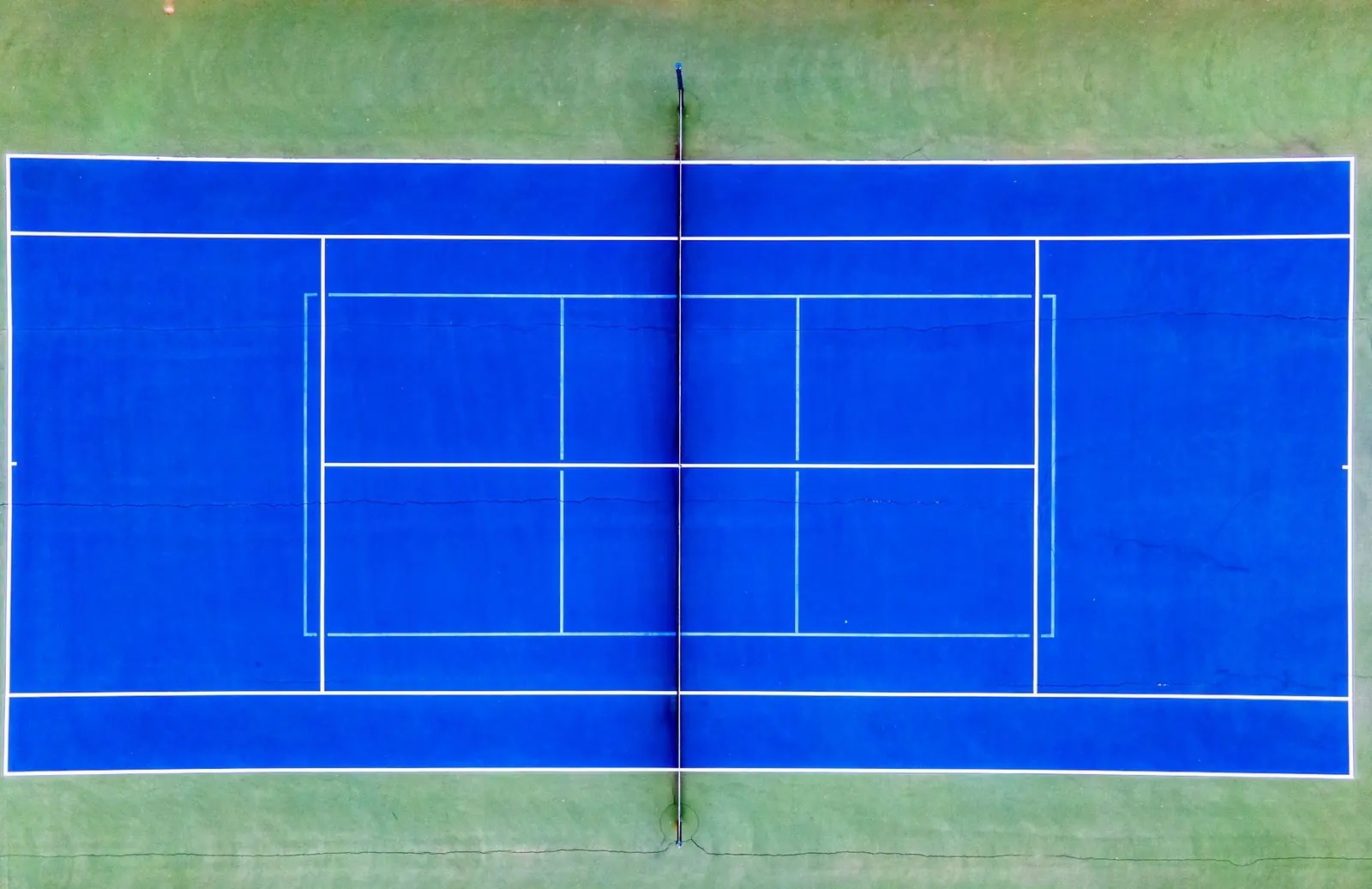
Layout is where the yard and the game meet. The 20 by 44 playing area sits inside a bigger pad, with room behind each baseline for lobs and drives and enough along the sides to chase a sharp angle. The long axis runs roughly north to south so evening sun doesn't blind one side. We also think about where stray balls go: toward a garden, a pool or a steep drop. Shifting the court a few feet, or adding a short wall on the downhill side, can save a lot of fetching.
What's included
What goes into backyard pickleball courts
- 01
Court layout
Placement, orientation and pad size planned around your yard, the sun and how you like to play.
- 02
Excavation and base
Topsoil removed, soft spots dug out and a gravel base compacted in layers under the whole pad.
- 03
Reinforced slab
A slab reinforced or post-tensioned to the design, so the playing area needs few or no joints.
- 04
Flat finish with drainage
One gentle plane of slope, about one percent, and a finish ready for the acrylic coating.
- 05
Net post sleeves
Sleeves set in the pour at the right spacing so net posts stand solid and lift out for the off-season.
- 06
Surface and lines
After several weeks of curing, the acrylic surface, court colors and regulation lines go on.
Examples
Backyard Pickleball Courts: examples of the work
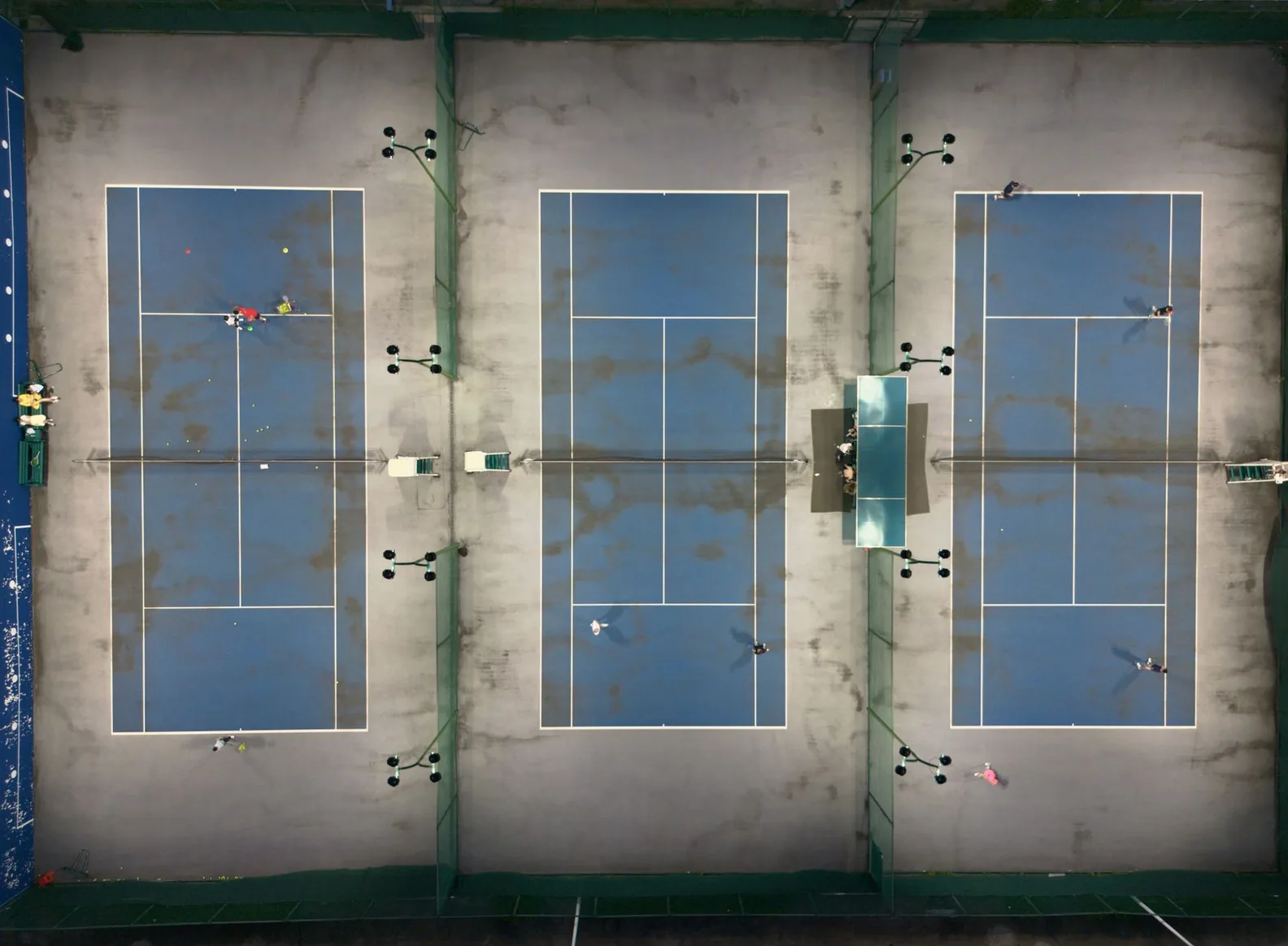
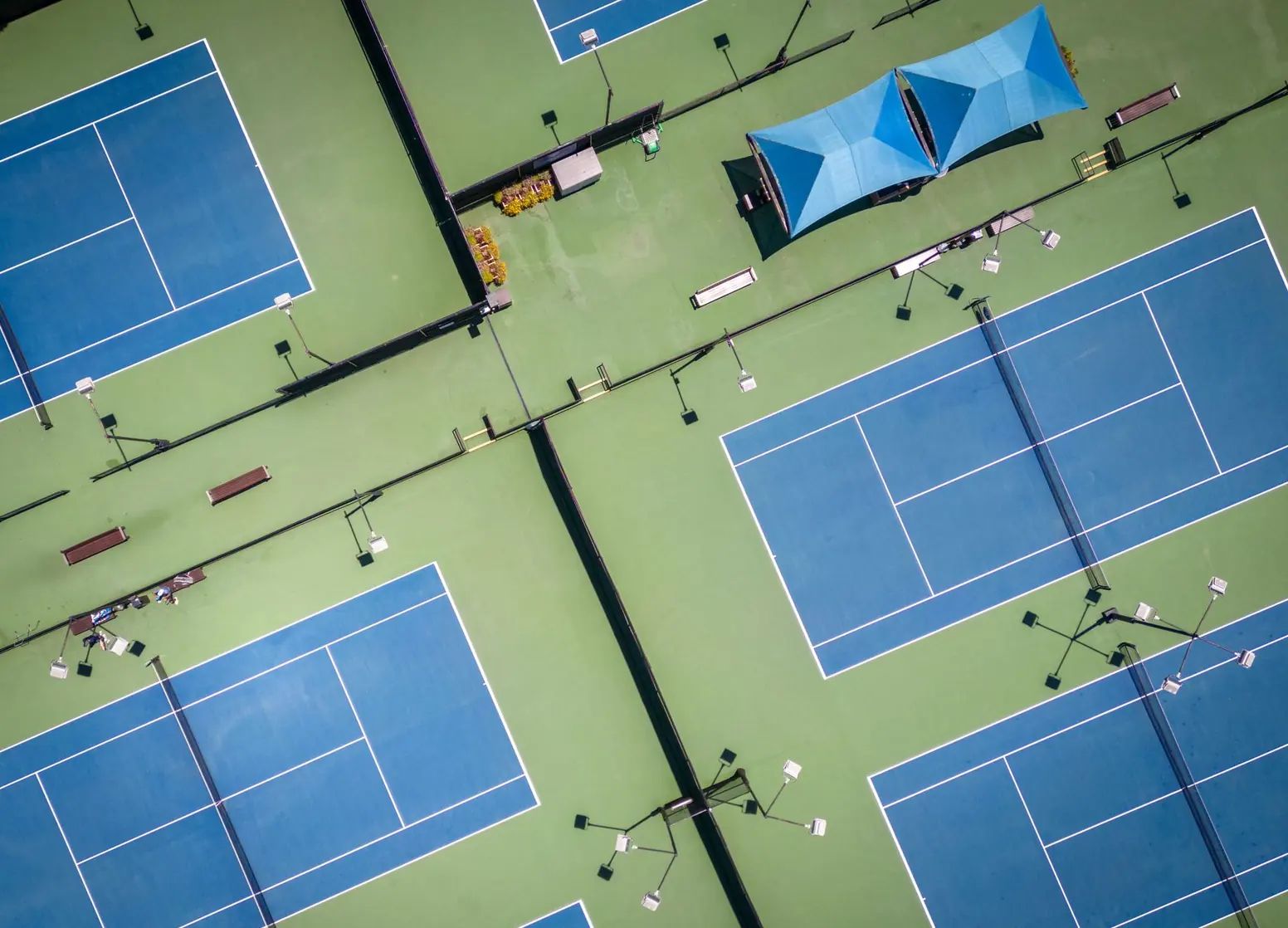
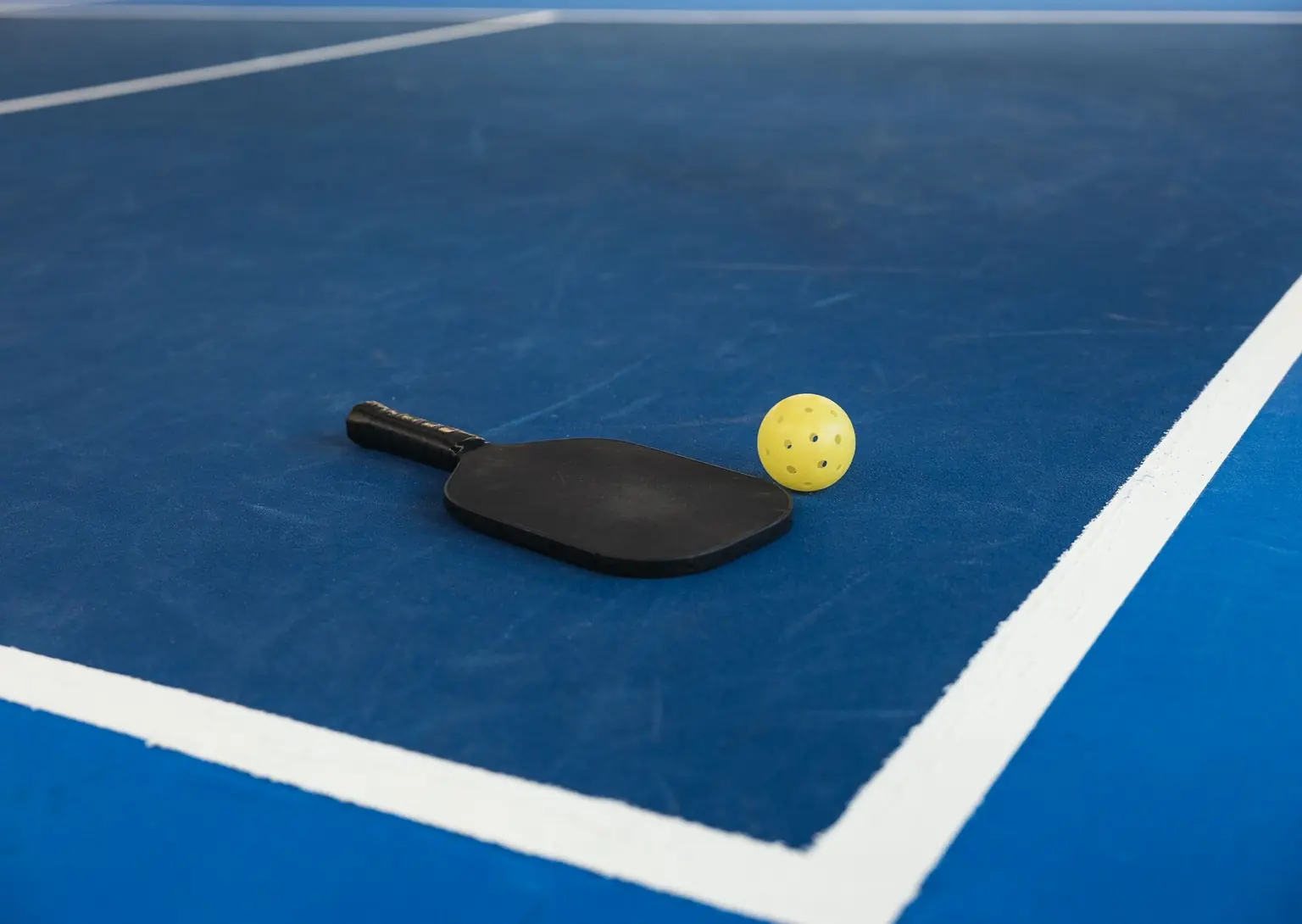
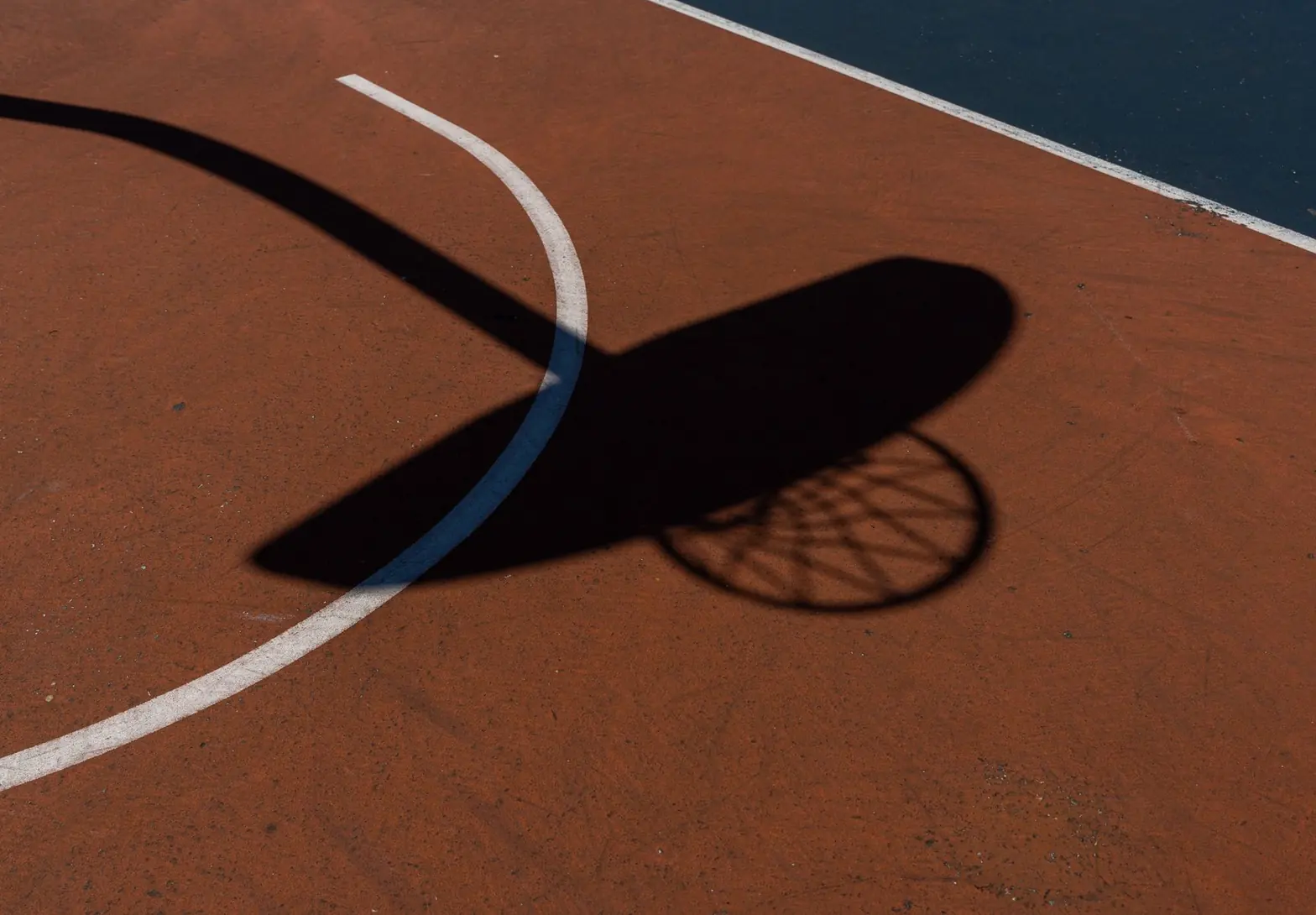
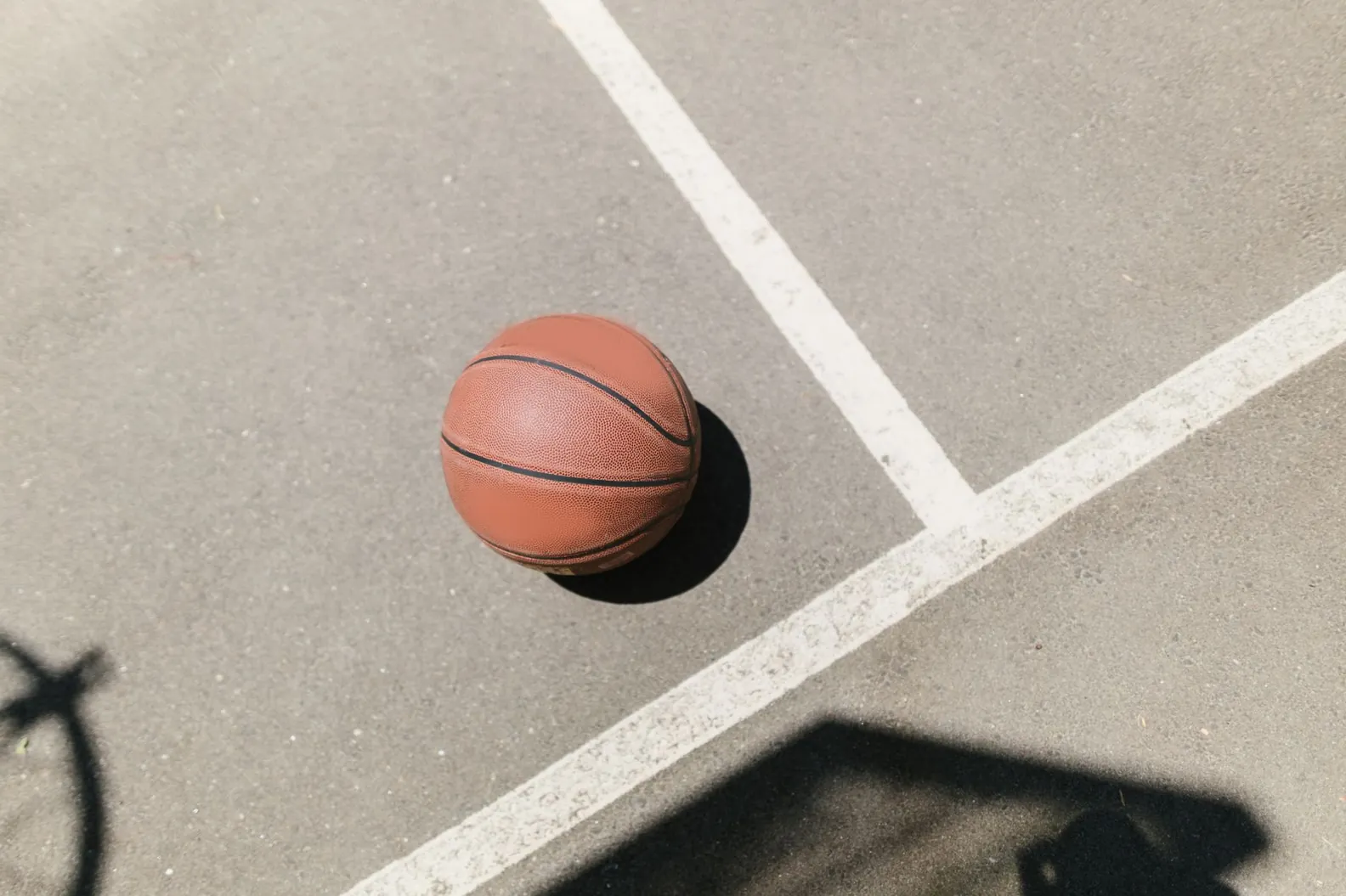
Stock photos: examples of the work type.
How it works
Backyard Pickleball Courts, step by step
- 1
Yard visit
We measure the space, check slope and access, and talk through court size and where you want it.
- 2
Layout and locates
The court is staked with its orientation and slope, and buried utilities are flagged through 811.
- 3
Prep and pour
Excavation, base compaction and reinforcement, then a pour finished flat with sleeves set for the net.
- 4
Cure and coat
Several weeks of curing come first, then the acrylic color coats and the court lines.
Questions
Backyard Pickleball Courts questions
How does Utah's climate affect a backyard pickleball court?
Freeze-thaw winters, clay soils and spring snowmelt are the main threats, and all of them work through water. A compacted gravel base, a slope that sends water off the court and away from its edges, and air-entrained concrete keep the slab stable. Strong sun fades acrylic colors over time, so mid-tone or UV-resistant colors hold up better.
How much does a backyard pickleball court cost?
The yard drives it: flat and open is one job, sloped and tight is another. Pad size, how much digging and fill it needs, any retaining walls, the slab design and the surface all factor in. Walk the yard with us for a free estimate.
Do I need a permit for a backyard court?
It depends on your city and what the project includes. A large slab may need one in some places, retaining walls over about 4 feet usually do, and HOAs often ask to see the plan and colors. Digging never starts until 811 has flagged the buried lines.
Why are joints a problem on a pickleball court?
A saw-cut joint is a planned crack, and it eventually shows through the acrylic surface as a line or a crack that can catch a bounce. Courts are built with more steel or post-tensioning so the playing area can go without them, or with any joints kept outside the lines.
Can we add a basketball hoop later?
You can, but it's easier to plan now. A hoop needs its own deep footing, and setting it during the court build avoids cutting into a finished slab. If a hoop might come later, mention it at the estimate and room will be left for it.
Courts, prep and patios
More from Salt Lake Pickleball Court
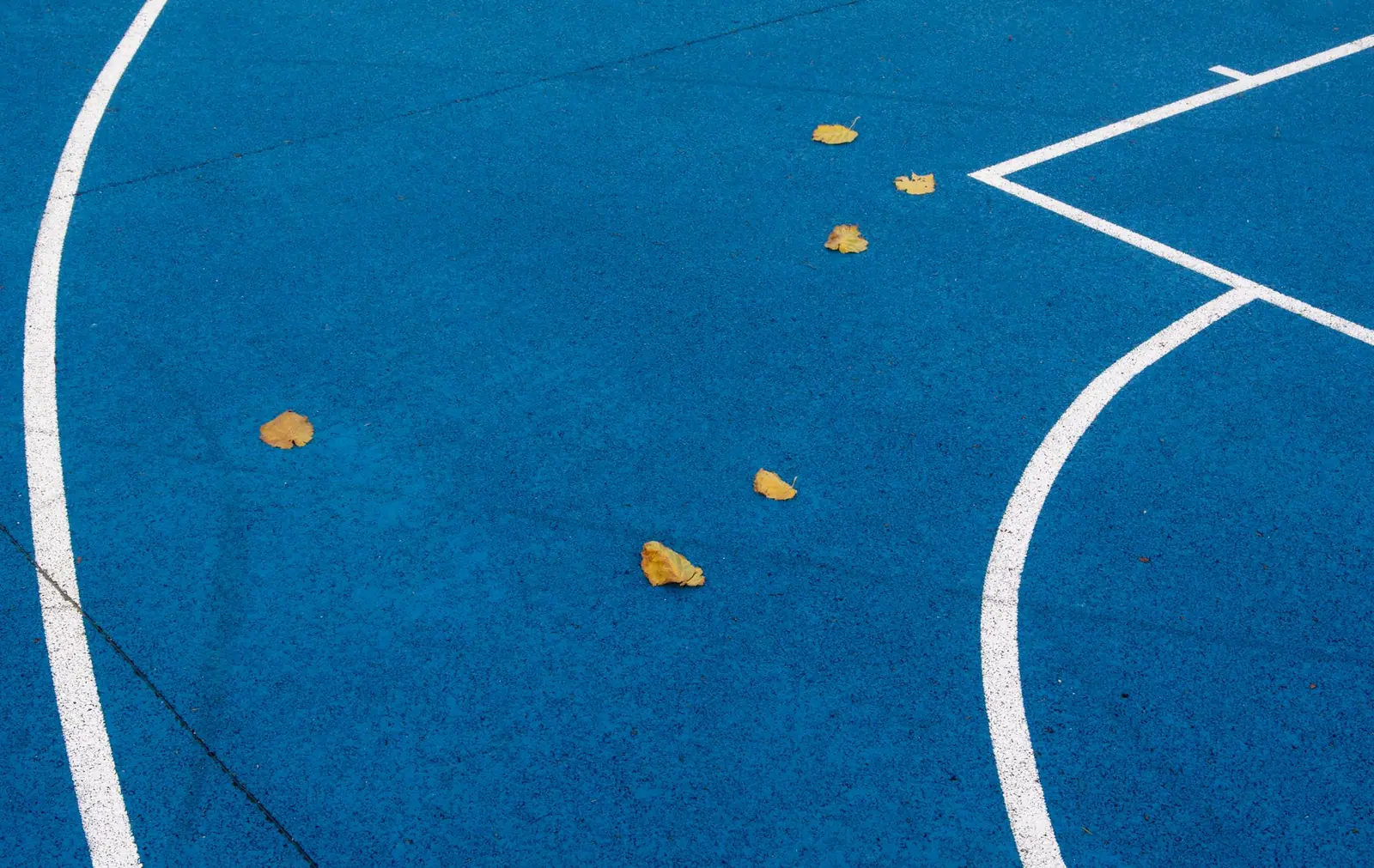
Multi-Sport Courts
Multi-sport slabs that carry pickleball lines, a basketball key and room for kids' games on one well-drained pad.
More on multi-sport courts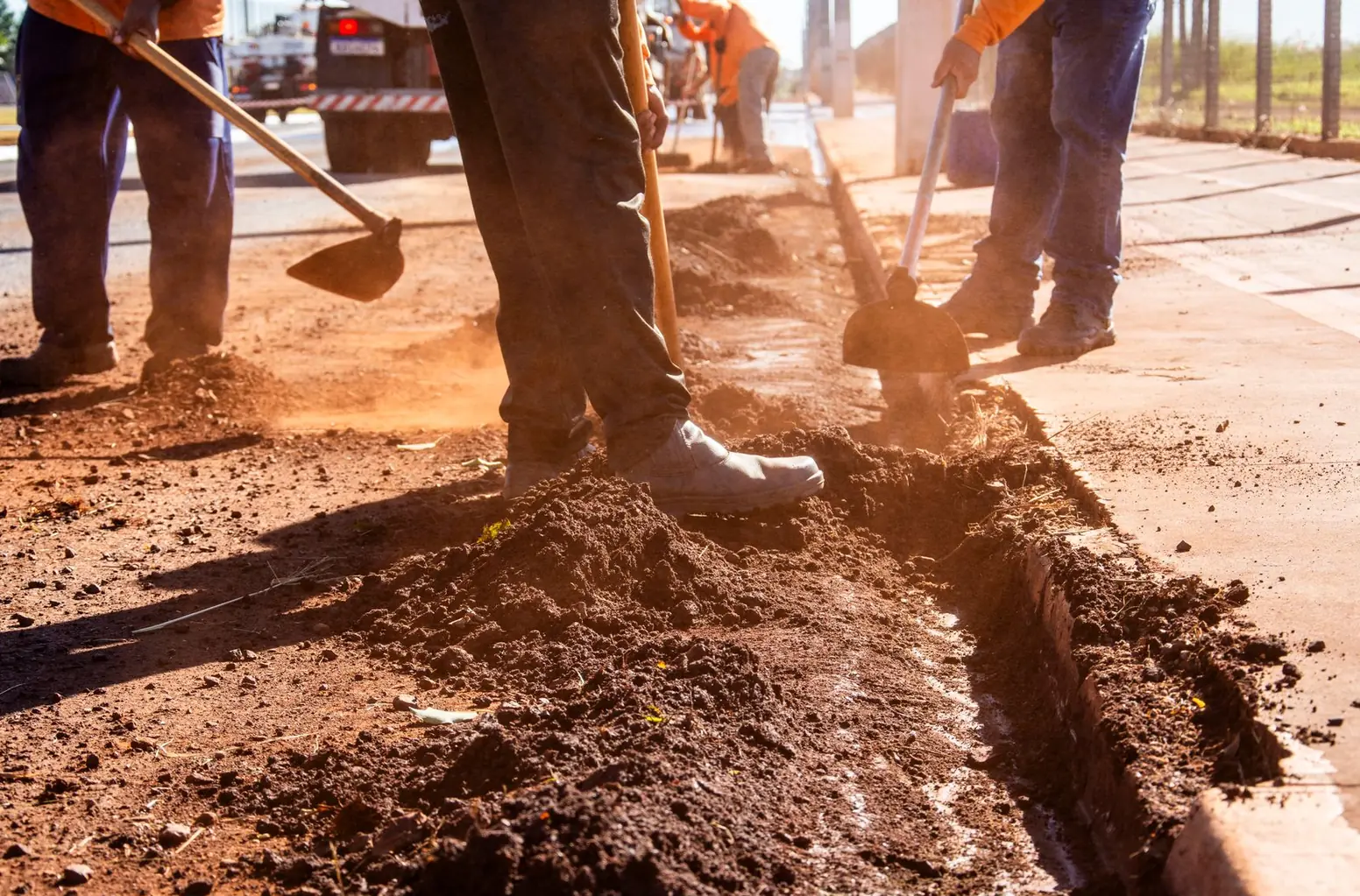
Court Excavation & Site Prep
Excavation, cut and fill, drainage and a compacted gravel base, so the court starts flat and stays that way.
More on court excavation & site prep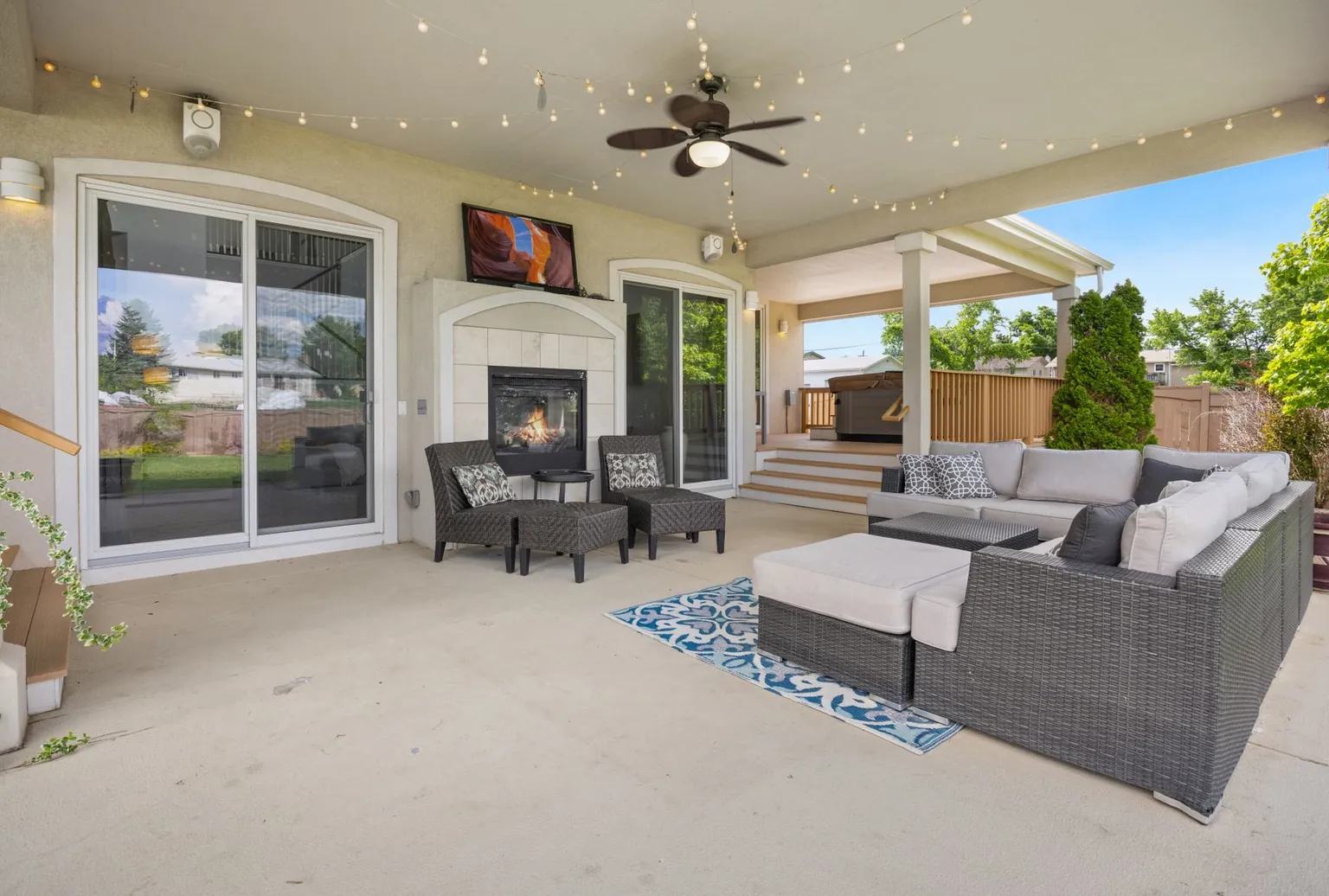
Patios & Walkways Around Courts
Patios for waiting players and spectators, plus walkways that bring everyone to the court with clean shoes.
More on patios & walkways around courts
Service area
Backyard Pickleball Courts in these towns
Where we build backyard pickleball courts, from Salt Lake City outward:
Salt Lake County
Tooele County
Free estimates on backyard pickleball courts
Send a quick note about the yard and the court you're picturing, and a free estimate visit follows.